
Bone Grafting in Kennewick, Yakima & Walla Walla
Bone loss in the jaw doesn’t just affect your oral health—it can limit your options for tooth replacement. At EW Implants & Periodontics Center, we specialize in bone grafting procedures that rebuild and preserve your jawbone for future dental implants, dentures, or esthetic support.
With offices in Kennewick, Yakima, and Walla Walla, we provide both routine and complex grafting, including ridge augmentation for implant preparation.


Why Bone Grafting May Be Necessary
Jawbone loss occurs for several reasons, including:
- Tooth extractions without socket preservation
- Long-term denture use
- Periodontal (gum) disease
- Trauma or infection
- Missing teeth left untreated for years
Over time, the bone that once supported your teeth can shrink or become too thin to hold a dental implant. Bone grafting restores volume and density to rebuild the foundation of your smile.
Ridge Augmentation for Implant Support
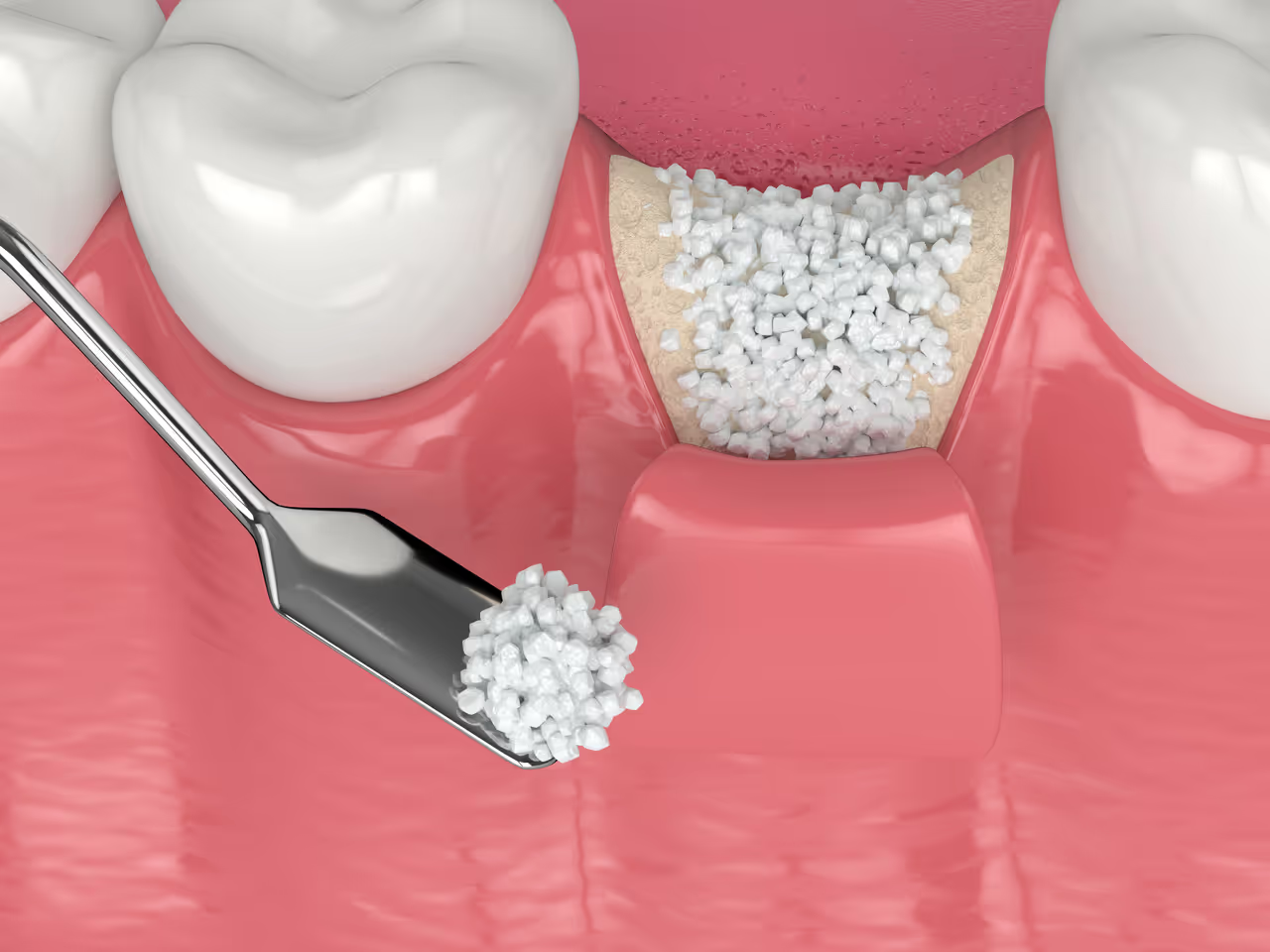
Ridge augmentation is a type of bone grafting used to rebuild the natural contour of the jaw after bone loss or collapse. This is particularly important when preparing a site for future dental implants, ensuring there is enough width and height for long-term implant stability.
This procedure is often performed after:
- Traumatic tooth loss
- Infection that damaged the socket
- Failed or loose implants
- Years of bone shrinkage from missing teeth
Using advanced materials and surgical technique, Dr. Alkanan carefully reconstructs the bone ridge to restore both esthetics and function.
Specialist-Led Bone Regeneration
At EW Implants & Periodontics Center, your grafting procedure is handled by Dr. Abdullah Alkanan, a board-certified periodontist and implant surgeon with advanced training in hard and soft tissue regeneration. His expertise allows him to perform grafting procedures that general dentists often refer out.
What sets us apart:
- In-depth evaluation using 3D CBCT imaging
- Guided surgical techniques for precision graft placement
- Use of high-quality grafting materials (autografts, allografts, and synthetics)
- Options for IV sedation during surgery
- One-on-one follow-up care through every phase of healing
Grafting may be done as a standalone procedure or in combination with tooth extraction or implant placement.
Types of Bone Grafting Procedures We Offer
We tailor the grafting technique based on your clinical needs and implant goals. Common procedures include:
- Socket Preservation – Placing graft material at the time of extraction to maintain bone volume
- Ridge Augmentation – Rebuilding lost bone for implants or improved esthetics
- Sinus Lift – Grafting beneath the sinus cavity in the upper jaw to support implants
- Minor Grafting at Implant Placement – Adding material around an implant for enhanced stability
Not all patients need bone grafting—but when it’s necessary, specialist care makes a difference in outcome and longevity.
Surgical Care Available Across Eastern Washington
Our three locations allow patients from throughout the region to access advanced bone grafting and implant care close to home:
- Kennewick: Serving Richland, Pasco, and the Tri-Cities
- Yakima: Including Selah, Union Gap, and Terrace Heights
- Walla Walla: Including College Place and Milton-Freewater
We also accept referrals from local dentists and oral surgeons for grafting and implant site development.
Frequently Asked Questions
Question text goes here
Answer text goes here
What is a bone graft, and how does it work?
A bone graft involves placing graft material in areas of bone loss. Over time, your body integrates this material and regenerates its own bone in the area.
Do I need a bone graft before getting an implant?
If you’ve had bone loss from missing teeth or gum disease, grafting may be necessary to ensure a stable, long-lasting implant. We’ll evaluate this during your 3D imaging exam.
What is ridge augmentation?
Ridge augmentation is a surgical grafting procedure that rebuilds the jaw’s natural shape after bone has collapsed or thinned. It’s often required before placing implants in areas of severe bone loss.
Is bone grafting painful?
The procedure is done under local anesthesia or IV sedation. Mild post-op soreness is normal and typically managed with over-the-counter or prescribed medication.
How long does it take to heal?
Healing time varies depending on the size of the graft, but most patients need 3 to 6 months before placing implants in the area.
Have more questions?
Our team is ready to discuss your implant options and address your concerns